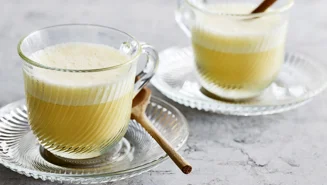

Curious about how to make a latte at home that rivals your favourite coffee shop, both with and without a coffee machine?
In this article, a professional Barista shares step-by-step tips and techniques to help you craft the perfect latte at home using a coffee machine. Whether you’re a beginner or looking to refine your skills, discover expert advice on creating that signature creamy texture and rich espresso flavour. Unlock the secrets to making a latte like a true Barista and elevate your coffee experience.
Even if you don’t have a coffee machine, you can still make a delicious latte at home. You can use a cafetiere or even just brew a strong instant coffee, though for the barista experience, a coffee machine with a steam wand works best.
An automatic milk frother is another great option; these handy jug-style devices heat and froth your milk simultaneously at the touch of a button, giving you a silky, café-quality foam without the need for a steam wand.
Latte Ingredients:
- Espresso coffee
- Arla Cravendale milk
- Sugar, syrup or sweetener (Optional)
Equipment needed:
- Coffee machine with a steam wand
- Milk jug
- Thermometer
- Wide and shallow coffee mug
- Spoon or stirrer


Latte jargon explained
- Tamped - Pressing and evening out your espresso grounds in the basket of your coffee machine. Tamping them down makes them as even as possible to help with extraction and achieve a tasty espresso.
- Aerate – Increasing the volume of your milk by adding tiny micro-bubbles. Aeration helps create a silky and fluid milk to add to your latte.
- Steaming – Using steam to aerate and heat the milk to make it frothy.
- Ristretto - This translates to “restricted” in Italian. When you restrict the amount of water that flows through the coffee, you make a stronger espresso.
- Dispense time - The time it takes your espresso machine to brew and dispense coffee. Dispense time affects the flavour of your brew. The optimal dispense time depends on the coffee you’re using and the chosen recipe.
How to Make a Latte at Home With a Coffee Machine: Step-By-Step
Step 1: Get your espresso machine ready
Switch on your espresso machine so it can preheat.
Step 2: Check it’s in working order
Ensure parts such as the shower screen, the espresso basket, and the spouts of your machine’s handles are clean, hot and dry before you begin.
Step 3: Measure your coffee in the espresso basket
Grind or dose your espresso coffee into the espresso basket and evenly distribute it before tamping. A single shot of espresso would use 7-10g of coffee in a single-shot basket. A double shot of espresso would use 14-20g of coffee in a double shot basket. Check the instructions of your coffee machine to see if you’re using the right amount for your equipment.
Step 4: Tamp the coffee down
Tamp down on the coffee with a well-fitting tamping device for the basket you’re using. It’s important to press down firmly and evenly across the coffee bed’s surface area.
Step 5: Brew your espresso shot
Press the relevant buttons to brew your espresso shot. Freshly grinding coffee at a grind texture that balances the coffee’s acidity, sweetness, and bitterness is key. Coffee companies often have an ideal dispensing time listed online for espresso recipes with particular blends, but generally dispensing time should be 25-30 seconds from when you push the button on your machine.
Step 6: Aerate your Arla Cravendale milk
For caffe latte preparation, we recommend growing the milk by one-third of its volume through the steaming process. Your priority when steaming milk is to aerate the milk to the required growth for the drink. Hold the jug in a position that allows the milk to form a whirlpool, with the steam wand no more than 2cm deep. The noise the milk makes as you steam will tell you if it’s working - a gentle chirping is what you’re after. If it’s making a loud screeching sound, the steam wand is likely too deep in the milk. It can take practice to get it right, but you’ll get there. The milk should be at 60-65°C to finish the steaming process.
Step 7: A quick clean
Once the milk is aerated, give the steam wand of your espresso machine a wipe with a damp cloth to remove any milk residue.
Step 8: Polish your milk
Polishing the milk simply means taking out the larger bubbles for a smooth, velvety texture. Swirl and tap the jug bottom gently on the counter to even things out.
Step 9: Pour your milk
As soon as it’s ready, pour your milk into your hot espresso.
Step 10: Time for latte art
If you want to get that professional barista finish, have a go at creating some latte art with your steamed milk. This will take finesse and perfect practice to refine your work! Mastering pouring speed, angles and texture creation for each design you try and finishing all of this in a fast, fluid process is a real art.

How to Make a Latte at Home Without a Coffee Machine: Step-By-Step
While coffee shops have industrial espresso machines, you can achieve the same level of perfection at home without the superior gadgets. In fact, you can accomplish that irresistibly frothy milk with just a glass jar, microwave, and your favourite Arla Cravendale milk.
Latte Ingredients Without a Coffee Machine
- Strong instant espresso or strong instant coffee
- Arla Cravendale milk
- Sugar, syrup or sweetener
Equipment Needed
- Cafetiere (French press)
- Small saucepan or microwave
- Handheld frother / whisk / jar with tight-fitting lid
- Spoon
- Wide and shallow coffee mug
- Grated nutmeg / cinnamon / chocolate (optional garnish)
Step 1: Heat it up
Heat your milk, either in a small saucepan on the hob, or for 30 seconds in the microwave. You’ll want it to gently bubble but not boil over. Warm up your mug with hot water from the tap.
Step 2: Froth your milk
Depending on the tools you have at home, there are several ways to do this. You can use a handheld frother, a whisk, or simply pour your milk into a jar with a tight-fitting lid and shake it up!
How to froth milk with a milk frother
Once the milk is warm in the pan or jug, immerse the whisk about halfway into the milk. Turn it on and slowly pull the frother up and down all through the milk until it becomes frothy. It should take around 30-40 seconds.
How to froth milk using a jar
If you don’t have a milk frother, you can use a clean jar with a tight lid to shake the milk up until it’s nice and frothy. Only fill the jar about halfway and make sure to hold it firmly while you shake it.
Step 3: Make an espresso or strong instant coffee
Use a cafetiere or French press to make a strong coffee, or use your favourite instant coffee. Only fill about a third of your mug to leave room for the milk.
Step 4: Pour the milk
Now it’s time to add the Arla Cravendale milk to your espresso. Pour slowly into the edge of the mug, keeping the foam back with a spoon. Once nearly full, use the spoon to spread the milk foam over the top.
Step 5: Feeling fancy?
Sprinkle a little bit of grated nutmeg, cinnamon or chocolate as a finishing touch.
Expert Tips for Your Latte from a Barista
What is the perfect latte mug size?
A latte usually has more milk content compared to a flat white or a cappuccino so you can go for a larger cup or glass. A regular UK latte is usually no larger than 320ml, but you can make it according to whatever you want to use at home and your own tastes.
Does a latte have one or two shots of espresso?
The latte can be either single shot or double shot, depending on your preference for coffee versus milk flavour and caffeine intake. Try both and see which you prefer! Single shots are often 15-25g, and doubles are often 30-50g. Double-shot caffe lattes are usually seen in larger cup sizes to avoid the coffee flavour being too weak. Smaller cup sizes often warrant the change to a single shot in the recipe, or else the drink may end up more like a flat white by mistake.
Latte milk aeration
The key with latte milk is a low level of aeration to avoid a heavy, deep foam. You want the foam to be fluid and silky in texture with about a third growth in volume. You can try foaming as low as a quarter growth in volume to start with and see what your preference is. Successfully aerating the milk anywhere in those ranges makes for a silky, delicious textured latte as you’d get in a top-quality coffee shop.
What is the best milk temperature for a latte?
Aim to get the milk temperature to 60-65°C to optimise how long your foam lasts and for textural quality with a gloss and shine. Arla Cravendale milk will last much longer than many alternative choices, and even at 70°C, it holds really well. If you want to try a latte macchiato, pour your steamed and foamed milk into the cup first and add your brewed espresso on top.
What is the correct latte milk ratio?
A latte is usually one part coffee to four parts milk to one part milk foam. You can create drinks in this format using volume or weight as a measure and figure out what you like best.

Latte FAQs
A caffe latte, also just called a latte, is the big sibling of the cappuccino. With a latte, it’s all about the silky foam. A latte usually has a single or double shot of espresso and steamed milk with a small layer of froth on the top. A latte should be silky and great to look at. It’s usually served in a longer glass to show off its velvety appearance.
A latte is made up of a single or double shot of espresso, with steamed milk and foam on top.
We recommend Arla Cravendale milk as it contains the optimal ratio of fat and protein to create a silky smooth latte. Whole milk usually works best for frothing, but you can also use semi skimmed or skimmed.
In coffee shops, baristas make lattes using an espresso machine, adding one or two shots before adding steamed milk. They use a steam wand to expertly aerate and polish the milk to get a silky microfoam texture before pouring it over the latte, often creating latte art in the process.
Yes, you could use instant coffee or a French press to make a latte, though the results will be a bit different compared to a coffee shop latte made with espresso.
Yes, you can make a latte without an espresso machine by using a French press or instant coffee, though the flavour and experience will be different to that of a coffee shop latte.
This really comes down to how you make a coffee or a latte, but in general, a regular coffee will contain more caffeine. In terms of taste strength, this depends on how you make your coffee or the espresso you use in the latte.
Lots of syrup flavours go well in a latte, like the classic vanilla, caramel or hazelnut, but you could also try seasonal syrups like pumpkin spice in the autumn and winter