This complete guide covers everything you need to know about low FODMAP milk, from lactose-free dairy to plant-based alternatives, with clear serving sizes so you know exactly what you can enjoy.
So, can you have milk when managing your FODMAP intake? The quick answer is yes. The issue is the lactose in cow’s milk, not the dairy itself. This is an important distinction: while regular cow’s milk is limited to just 50ml when following a low FODMAP approach, lactose-free milk is FODMAP friendly at a full 250ml serving (a standard glass).
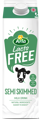
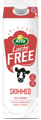
Arla LactoFREE 1L whole milk, Arla LactoFREE 1L semi-skimmed milk, and Arla LactoFREE 1L skimmed milk are FODMAP Friendly certified at a full 250ml serving, making them practical options for everyday use – in your coffee, smoothies, or poured over cereal. All the taste of regular milk, none of the lactose.
In this guide, we’ll explore lactose-free milk alongside non-dairy alternatives, with portion guidance to help you find the best low FODMAP milk options.
If you’re new to low FODMAP eating and want to understand the basics first, start with our beginner’s guide to the low FODMAP diet.
What makes milk low or high FODMAP?
Lactose is what makes regular cow’s milk a high FODMAP food. This natural sugar found in cow’s milk can be difficult for some people to digest, meaning it passes through to the large intestine, where it draws in water and ferments. This process may contribute to digestive discomfort for some people.
Lactose is naturally found in all animal milk, including cow’s, goat’s, and sheep’s milk. Goat’s milk is sometimes mistakenly thought to be suitable for those managing their lactose intake, but it actually contains only slightly less lactose than cow’s milk, so it isn’t usually suitable when following a low FODMAP diet.
Lactose-free milk, the low FODMAP dairy choice
Managing your FODMAP intake doesn’t mean giving up the foods you love. For many people, lactose-free milk is the best low FODMAP milk option, as it offers the same great taste, just without the lactose.
Lactose-free milk is made by adding a natural enzyme called lactase during production. This breaks down the lactose into simpler sugars. Some people notice that lactose-free milk tastes very slightly sweeter than regular milk, while others can’t tell the difference.
Arla LactoFREE 1L whole milk, Arla LactoFREE 1L semi-skimmed milk, and Arla LactoFREE 1L skimmed milk are FODMAP Friendly certified at a full 250ml serving (a standard glass). This makes them practical options for everyday use - whether you're drinking a glass, adding milk to your tea or coffee, or using it in cooking and baking.


Plant-based low FODMAP milk alternatives
While plant-based options like almond milk and soy milk (made from soy protein, not whole soybeans) can work at a 250ml serving, they come with considerations. You'll need to check ingredient labels carefully for high FODMAP additives like inulin, honey, or agave syrup, and some require careful portion control to stay within low FODMAP limits.
Lactose-free milk offers a more straightforward choice. Arla LactoFREE milks are FODMAP Friendly certified at a full 250ml serving - giving you all the taste and versatility of real dairy milk without the lactose, and without needing to check ingredient lists. It's also worth knowing that cow's milk naturally contains calcium, whereas many plant-based milks are not calcium fortified. This matters on a low FODMAP diet, as other calcium-rich foods like yoghurt, certain cheeses, and almonds may be limited during the elimination phase. If you do opt for a plant-based alternative, check the label to ensure it's fortified with calcium.
Higher FODMAP milks to be aware of
While lactose-free and plant-based options can work well, there are some milks to watch for. Some are naturally high in FODMAPs, while others may have ingredients added that push them into high FODMAP territory. Here are the key ones to keep in mind when shopping:
- Regular cow’s milk – Naturally contains around 12g of lactose per 250ml. This is well above low FODMAP thresholds. Lactose-free cow’s milk offers an easy swap with the same taste and versatility.
- Goat’s milk and sheep’s milk - All animal milks contain lactose, making these unsuitable when managing FODMAP intake. Despite common assumptions, goat's milk contains only slightly less lactose than cow's milk and is still high FODMAP.
- Soy milk made from whole soy beans - Soy milk made from soy protein or soy protein isolate is FODMAP Friendly, but versions made from whole soybeans are not. Always check the ingredients list to see which type you're buying.
- Oat milk - In the UK, oat milk is only suitable at around 30ml (roughly two tablespoons) - far less than a typical serving in coffee or on cereal. This makes it challenging to use as a regular milk alternative.
- Coconut milk - This varies by type. Carton and UHT coconut milk are suitable at up to 125ml, but canned coconut milk is only suitable at around 60ml due to higher FODMAP levels.
Keep these in mind when planning your low FODMAP shopping and always check ingredients on plant-based alternatives for high FODMAP sweeteners like honey or agave syrup.
If you're looking for that authentic milk taste, Arla LactoFREE 1L whole milk, Arla LactoFREE 1L semi-skimmed milk, and Arla LactoFREE 1L skimmed milk are FODMAP Friendly certified - it's real dairy milk, just without the lactose.
For more helpful tips, check out our low FODMAP food shopping guide.
Hidden high FODMAP ingredients to check for
When choosing any milk alternative, check ingredient labels for high FODMAP additives like inulin, honey, or agave syrup. Lactose-free milk offers a more straightforward choice with no hidden ingredients to watch for. Some common additions that are high in FODMAPs include:
- Inulin (or chicory root extract) - often added as a fibre source
- Honey - a natural sweetener
- Agave syrup - another natural sweetener option
- High fructose corn syrup - a processed sweetener
- Molasses - can be used for flavouring
A quick scan of the label when shopping can help you identify low FODMAP milk options that work for you.
This information is for general guidance only and isn't a substitute for professional advice. If you're considering the low FODMAP diet, working with a registered dietitian can be helpful. If you have ongoing digestive concerns, it's worth speaking to your GP.