
If you're new to the low FODMAP diet, the reassuring part is that it's all about food, and there's plenty you can still enjoy. A low FODMAP diet for beginners is a temporary way of eating that eases back on foods high in certain fermentable carbohydrates, known as FODMAPs, that some people find harder to digest, before slowly reintroducing them so you can find your own triggers.
This beginner's guide covers what you could eat, the everyday foods to enjoy and the ones to limit, and how the diet works across its three simple stages. Lots of low FODMAP foods, from potatoes, carrots and oranges to eggs, oats and Arla LactoFREE milk, fit easily into your day, and many people managing IBS find the approach helps them feel more comfortable.
What are FODMAPs?
FODMAP is an acronym that covers a range of sugars (short-chain carbohydrates) absorbed during digestion. It stands for:
Fermentable
Oligosaccharides
Disaccharides
Monosaccharides
And
Polyols
These sugars are found in all sorts of foods and can be difficult to digest for some people. This is because they move slowly through the small intestine until they reach the large intestine, where they are fermented by bacteria. This draws in fluid and produces gas in the colon. For most people, this will be unnoticeable or only cause mild discomfort after a meal. For people with a more sensitive digestive tract, the excess gas and fluid can cause bloating, abdominal pain, and diarrhoea.
FODMAP sugars can be broken down into five categories:
- Fructans, found in staple foods like wheat, onions, and garlic.
- Fructose, found in many fruits as well as honey.
- Galactans, found in beans and legumes like chickpeas.
- Lactose, found in dairy products like milk and yogurt.
- Polyols, found in stone fruits like cherries and peaches.
Foods you can eat on a low FODMAP diet
It’s easy just to focus on the many foods you can’t eat on the low FODMAP diet, but there are plenty of everyday foods that are FODMAP-friendly.
Here are a few examples of types of food that are safe for a low FODMAP diet:
Fruit and vegetables
Potatoes, carrots, and cucumbers, as well as oranges, pineapple, and kiwi.
Meat and other protein
Plain cooked meats, including poultry, eggs, and seafood.
Pasta and bread
Wheat-free pasta and rice noodles, and gluten-free/wheat-free bread, or oat bread.
Sweet treats
Oat-based biscuits and bakes, flourless cakes, and wheat-free pastries.
Lactose-free dairy
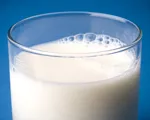
Regular milk is off the table, but you can still enjoy lactose-free milk. Find out more about Low FODMAP milk with our complete guide.



How does the low FODMAP diet work?
The low FODMAP diet is a temporary and systematic approach to reducing digestive discomfort, usually followed with support from a registered dietitian. Medical guidance is important for maintaining proper nutrition during the diet as well as for achieving helpful results.
The diet works by eliminating all foods that are high in FODMAPS before slowly reintroducing them to see if anything triggers the original symptoms. This hopefully means it’s possible to identify a specific type of food to reduce or cut out to relieve the digestive discomfort.
A typical low FODMAP diet could look something like this:
Stage 1: Elimination
All high FODMAP foods are eliminated for around 2 to 6 weeks.
Stage 2: Reintroduction
After the elimination period has passed, high FODMAP foods are reintroduced one at a time to see if they cause symptoms to flare up. There’s also a ‘reset’ period between each food to ensure there’s no crossover. This usually means a few days back on full elimination of all high FODMAP foods.
Stage 3: Personalisation
How long it takes to complete stage 2 and figure out any food sensitivities is down to each individual. But once it has been narrowed down, it may be possible to create a long-term plan for managing a healthy diet that keeps symptoms to a minimum. The low FODMAP diet is essentially a kind of experiment. The hope is that it yields useful results, but it may not work for everyone. Fortunately, it does have a high success rate, with around 75% of people finding it helpful.
Who could benefit from a low FODMAP diet?
A low FODMAP diet may be useful for people who are looking more closely at how everyday foods affect their digestion, especially if they notice that certain meals leave them feeling bloated or uncomfortable. Because FODMAPs are found in many common ingredients, including some dairy products, fruit, vegetables, grains and sweeteners, the diet is often used as a short-term way to explore which foods feel better day to day. It’s not designed to be followed forever, and it can be helpful to get guidance from a qualified professional before making bigger changes to your diet.
Food to avoid on a low FODMAP diet
The list of high FODMAP foods is long, so it can feel overwhelming at first. It can be helpful to get to grips with the main categories of high FODMAP foods to hopefully make it easier to recognise which individual foods should be avoided.
Here are some examples of the types of foods to avoid on the low FODMAP diet:
Fructose
Fresh and tinned fruits, including apples, peaches, and mangoes.
Lactose
Regular dairy contains lactose, including milk, yogurt, and ice cream.
Fructans / galacto-oligosachharides
Garlic and onion, both dried and fresh.
Polyols
Stone fruits like plums, apricots, and cherries. Also, sugar-free sweets.
Take a look at our Low FODMAP Shopping Guide for more details and information on what foods to avoid.

Tips for a successful low FODMAP diet
One of the main things to remember with the low FODMAP diet is that it’s only temporary and doesn’t represent a permanent change in eating habits. The hope is that it leads to useful information that can inform your long-term diet, but the diet itself is just about discovery. The aim is for the most varied and unrestricted diet possible while avoiding any food intolerances.
The other important thing is that the low FODMAP diet only has a chance to be successful if high FODMAP foods are eliminated consistently. For example, not eliminating foods for long enough or not leaving enough time between reintroductions could mean you struggle to get results. Managing a low FODMAP diet on your own can be difficult, from keeping track of progress to getting enough nutrition. This is why it’s important to seek the guidance of a medical professional before you start. You can also use helpful tools like the FODMAP Friendly app, a good way to check hundreds of products and food types, as well as get low FODMAP recipes and other resources.
Final thoughts on the low FODMAP diet
The low FODMAP diet can be an invaluable tool when it comes to managing digestive sensitivities. Identifying foods that trigger digestive symptoms means they can be avoided, which could help improve the quality of life for many people.
These long-term eating habit changes can be made easier with support like the FODMAP Friendly app and FODMAP-approved products. Find FODMAP-approved Arla LactoFREE milk online or in stores.
FAQs about low FODMAP diets
Yes, you can still have some dairy and milk on a low FODMAP diet. The main thing to watch out for is lactose, which is the FODMAP found in regular milk and some dairy products. Some Arla LactoFREE milk is FODMAP friendly and available in different options, including Whole Milk Drink 1L, Semi Skimmed Milk Drink 1L, and Skimmed Milk Drink 1L. These can be useful swaps if you’re trying to reduce lactose while still keeping milk in your diet.
Everyone experiences digestive discomfort occasionally, but it is possible you have FODMAP sensitivities if you regularly experience digestive discomfort like bloating or an unsettled stomach after eating certain foods. You should always seek the advice of your GP or a professional dietitian before trying a low FODMAP diet.
A low FODMAP diet usually involves three stages: elimination, reintroduction, and personalisation. These steps help to identify possible food triggers, allowing you to reduce or eliminate certain foods from your diet in the long term. A low FODMAP diet should be supervised by a registered dietitian for the best chance of getting useful results, as well as getting proper nutrition while on such a restrictive diet. Check out our shopping guide for information on low FODMAP foods.
The low FODMAP diet could help figure out what foods might be triggering digestive discomfort, such as bloating or cramps. The diet aims to find out if certain foods cause symptoms to flare up so they can be reduced or eliminated in the long term. Results will be different for different people, and each diet might be different, as supervised by a dietician or other medical professional.
FODMAP sensitivities vary from person to person, but common triggers include lactose in dairy or fructans found in onions and garlic. Sometimes it can be more obvious what foods trigger digestive discomfort if you consistently experience symptoms after eating them, but often it can be hard to identify what could be causing problems. Explore our low FODMAP foods shopping guide for help on what your choices are. For more choices, check out our complete guide to low FODMAP milk.