Strawberries have a short season, but that does not mean they have to disappear from your kitchen when summer ends. Freezing them at their peak is the simplest way to make them last, and with the right technique, the flavour holds up remarkably well, even if the texture changes after thawing. This article covers everything you need, including how to prepare and hull the berries, which freezing method suits your needs, and how to thaw and use them once you are ready.
- Wash and dry the berries thoroughly before freezing — any moisture left on the surface will affect the texture.
- Hull them before freezing for the best results.
- Flash freeze on a baking sheet first to keep the berries separate.
- Freeze without sugar for maximum versatility, or with sugar if you are planning to use them in smoothies, sauces, or other recipes where a softer texture works well.
- Frozen strawberries will keep for 6–12 months at -18°C.
Prepare strawberries for freezing
Select the best strawberries from your batch. Look for firm, deeply red fruit with no soft spots or blemishes — the better the berry going in, the better it will taste coming out. Give them a thorough wash under cold running water and dry them completely. Any moisture left on the surface will form ice crystals during freezing, which affects the texture when thawed.
Once dry, hull the berries by removing the green tops and the tough white core underneath. The core tends to be fibrous and less sweet than the rest of the berry, so removing it gives you a better texture and flavour. You can skip this step if you are short on time and remove the stems after thawing instead, though the berries will be softer and harder to handle by then.
If you want to know more about cleaning strawberries or hulling them, we go into the details in the next two sections.
Wash strawberries before freezing
Wash the strawberries under cold running water or dunk them briefly in a basin of water, lifting them out straight away so they do not soak up too much moisture. For a deeper clean — particularly if you want to remove pesticide residues — do a vinegar soak. Read more about cleaning strawberries and the different solutions.
Once washed, dry the berries as thoroughly as possible. Pat them dry with paper towels and spread them out in a single layer on a clean towel. Let them air dry for at least 30 minutes.
Hull strawberries for freezing
Hull strawberries by removing the stem, green leaves, and tough white core at the centre of the berry. There are three ways to do it, using either a straw, a huller tool, or a paring knife.
- Straw method: Push a plastic straw into the bottom of the berry and push up through the centre. This pops the hull out cleanly and wastes very little fruit.
- Huller tool: Push the hooked tip under the green leaves, then twist or squeeze to scoop out the stem and core in one motion. A quick and tidy option if you are working through a large batch.
- Paring knife: Cut a small cone shape at a 45-degree angle around the stem base, going ½–1 cm deep in a circle, then lift the hull out. This takes a little more practice but gives you good control over how much fruit you remove.
If you are only freezing for short-term use — up to three months — you can leave the stems on and remove them after thawing by simply twisting them off. Bear in mind that thawed berries are softer and a little trickier to handle, so hulling beforehand is generally the easier option.

Choose a freezing method
There are a few decisions to make before putting your strawberries in the freezer. Should you freeze them whole or sliced? Should you freeze them with sugar? The answers to that depend on how you plan to use the strawberries. Flash freezing without sugar is the most flexible option and keeps the berries usable in any recipe, so this is usually the best option if you do not have a plan for the strawberries yet. Each method is covered in more detail below, along with advice on how to store strawberries once frozen.
Flash freeze strawberries
Flash freezing keeps the berries separate, so you can take out exactly as many as you need without breaking apart a frozen clump.
- Line and arrange: Cover a baking sheet with parchment paper and spread the strawberries out in a single layer, leaving a little space between each one so they do not touch.
- Set the freezer temperature: Make sure your freezer is at -18°C or below before you start — a colder freezer means faster freezing and a better result. Pre-chill the baking sheet for 10–15 minutes to accelerate freezing.
- Freeze until solid: Place the sheets flat in the freezer for 2–4 hours. Sliced berries freeze faster (1–2 hours) than whole berries (2–4 hours). Press one gently to check if it is hard.
- Transfer to storage: Working quickly, transfer the frozen berries to heavy-duty freezer bags or airtight containers. Press out as much air as possible, and label them with the date. Stored at -18°C, they will keep for 6–12 months.
Freeze strawberries whole or sliced
Freeze strawberries whole if you want more options later and easier tray-freezing, or slice them if you want them ready to use in recipes and for faster thawing.
- Whole strawberries: They give you the most flexibility for smoothies, jams, pies, or oatmeal since you can slice them later however you need.
- Sliced strawberries: They are the more practical choice if you already know how you will use them. They go straight into recipes without any prep, thaw faster thanks to the extra surface area, and are easier to measure out in the quantities you need. They also freeze solid more quickly than whole berries.
Freeze strawberries with sugar
Freezing strawberries with sugar gives them a firmer texture and more consistent sweetness once thawed. There are two ways to do it.
- Simple syrup method: Dissolve 200 grams of sugar in 1 litre of water in a casserole. Chill the syrup completely and pour it over the hulled berries in a freezer-safe container, leaving a little room at the top for expansion. This keeps the colour bright and the texture firm.
- Dry pack method: Toss sliced berries with sugar at a ratio of roughly 150 grams of sugar per 600 grams of fruit and leave them to sit for 10–15 minutes until the juices start to draw out. Pack them into containers with the juices and freeze. This produces softer, juicier berries that work well in recipes where the texture of the berries matters less, such as smoothies, jams, compotes, and pie fillings.
Bear in mind that sugar draws out moisture, which means that the berries are more likely to freeze in clumps and become softer once thawed. Sweetened berries are therefore less versatile than unsweetened ones and are less suitable for recipes where you want firmer strawberry pieces.
How to thaw frozen strawberries
Thaw strawberries in the fridge overnight. This preserves as much texture as possible and lets the juices collect, which is particularly useful for pies, desserts, and sauces. If you are short on time, leave them out at room temperature for 2–3 hours. They should be used straight away once thawed. For smoothies, baking, and cooked dishes where the berries will break down anyway, there is no need to thaw – you can just add them straight from the freezer.
Scrumptious things to make with frozen strawberries
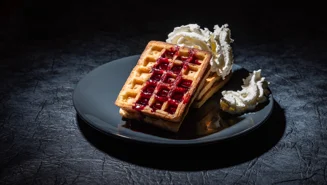
You can make many of the same things with frozen strawberries as you can with fresh ones, and in some cases, they work even better. Blended straight from the freezer, they give drinks a thick, frosty consistency without the need for ice. A is a perfect example of that is:

but you can also use the strawberries for a:

They are also the perfect base for a strawberry smoothie bowl, a strawberry mousse, or strawberry ice cream.
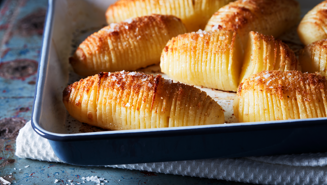
Frozen strawberries are not limited to sweet drinks and treats. When you have a glut to use up, turning them into

is one of the most satisfying options of all.
Find more ideas by browsing our strawberry recipes, or dig into some strawberry desserts when you crave something sweet. If you need more information, visit our page for everything strawberry.

FAQ: Questions about frozen strawberries
Even with the best preparation, freezing strawberries raises a few questions along the way. Below are the ones we get asked most often, with answers covering packaging, storage times, and why thawed berries behave the way they do.
The key is to avoid, or at least limit, contact with air and keep a consistent temperature. Once the strawberries are frozen solid, transfer them quickly into heavy-duty freezer bags or airtight containers. Press out as much air as possible before sealing. For rigid containers, fill them as close to the top as you can to minimise empty space. Store them towards the back of the freezer where the temperature is most consistent. Also, consider dividing the berries into small portions before packaging. That way, you only open what you need each time, keeping the rest well sealed and protected.
Frozen strawberries keep for 6–12 months at -18 °C or below. After that, they remain safe to eat, but the flavour and texture will gradually decline. The main things to watch for are dry or discoloured patches, frost buildup, ice crystals on the surface, and a mushy texture when thawed. These are all signs that quality has started to deteriorate.
As the water inside the strawberries freezes, it expands and forms ice crystals that puncture the cell walls. Once thawed, those cells cannot repair themselves, which is why frozen strawberries never quite have the same firmness as fresh ones. This does not make them any less useful. It just makes them better suited for smoothies, baking, jams, and sauces, where the berries will break down anyway.