Shopping for low FODMAP foods can feel daunting at first. With so many options to consider, it can feel hard to know what to avoid and what FODMAP Friendly foods to choose. That’s why we’ve created this guide covering all the main food categories, complete with portion guidance and practical shopping tips to help you navigate the supermarket with confidence.
Around 1 in 7 people in the UK are thought to be affected by IBS, making it a fairly common condition that many have to manage every day. IBS (irritable bowel syndrome) and other digestive discomfort can be associated with foods considered to be high in FODMAPs.
The concept of FODMAPs was first developed by Monash University in Melbourne, Australia, with the low FODMAP diet now recognised by the NHS as a potentially helpful approach for those experiencing IBS or digestive discomfort. If you're considering trying it, it's worth speaking to a dietitian who can guide you through the process.
In this guide, you’ll find detailed lists of low FODMAP vegetables, fruits, proteins, grains, and dairy options – everything you need for a low FODMAP shopping list you can bookmark and use on every trip to the shops.
If you’re new to the low FODMAP diet and want to understand how it works, start with our beginner's guide to the low FODMAP diet.
What makes a food low FODMAP?
Something can be considered a low FODMAP food if it contains only small amounts of certain carbohydrates - specifically those that make up FODMAP.
FODMAP stands for fermentable oligosaccharides, disaccharides, monosaccharides, and polyols. These carbohydrates can be difficult for some people to digest, so they pass through to the large intestine, where they ferment and draw in excess water. This may contribute to bloating and digestive discomfort for some people.
A low FODMAP food contains either none or very little of these carbohydrates, making them easier to digest. Portion size is important too, as having a larger amount of a FODMAP Friendly food can actually turn it into a high FODMAP option.
Understanding FODMAPs in more detail can be a good place to start, giving you some background on why certain foods are or aren’t FODMAP Friendly.
Understanding FODMAP serving sizes
Serving sizes can be just as important as ingredients when it comes to FODMAP Friendly foods. Whether a food is low or high FODMAP can depend entirely on how much you consume, so it’s important to be aware of serving sizes as well as the types of food.
For example, regular cow's milk is limited to just 50ml on a low FODMAP diet - far less than you'd typically use. However, lactose-free milk like Arla LactoFREE is FODMAP Friendly certified at 200ml and no FODMAPs were detected during testing, meaning it won't contribute to stacking and can be paired with moderate-FODMAP foods without increasing your overall load.
FODMAP stacking (why moderation matters)
FODMAP stacking is what happens when you eat several low or moderate FODMAP foods within the same meal or eating occasion, and their combined FODMAP load pushes you into high FODMAP territory. It's less about what you eat across the whole day and more about what ends up on your plate at one sitting. Spacing meals around 3–4 hours apart can help reduce the risk of stacking, as symptoms are more closely linked to cumulative intake within one meal than across the day as a whole.Just keep in mind that a low FODMAP food can become high FODMAP if you exceed the recommended serving size.
FODMAP Practical Portion Guidance
You don’t need to weigh or measure every bite – the goal is awareness, not obsession. It’s just being aware of what a serving looks like for different types of food. Here are some simple benchmarks:
- Vegetables - 75g per serving - roughly a small handful or about 1 cup of raw leafy veg.
- Fruit - 80g per serving - typically one medium piece of fruit or ½ cup chopped.
- Grains - ½ a cup cooked - such as rice, oats, and quinoa.
Knowing what foods are FODMAP Friendly is only half of the equation - knowing how much you can have of each is just as important.
Low FODMAP vegetables
Most vegetables are low FODMAP, so this part of the diet isn’t as restrictive as it might seem. The main ones to be mindful of are garlic and onions (both white and brown), along with artichokes. Leeks and spring onions are high FODMAP in their white bulb portions, but their green tops are low FODMAP and can be a useful way to add flavour - particularly as an onion alternative.
Some vegetables like cauliflower, mushrooms, and asparagus are low FODMAP in smaller portions but become high FODMAP in larger amounts.
Here’s our list of common low FODMAP vegetables:
Leafy greens
- Spinach
- Kale
- Rocket
- Lettuce (all varieties)
- Pak choy
- Cabbage
- Chard
Root vegetables
- Carrots
- Parsnips
- Potatoes
- Sweet potatoes
- Swedes
- Turnips
- Celeriac
- Radish
Everyday vegetables
- Aubergine
- Courgettes
- Cucumber
- Peppers (all colours)
- Tomatoes
- Green beans
- Bean sprouts
- Olives
- Edamame
Vegetables to enjoy in smaller portions (up to 75g)
- Asparagus
Cauliflower and mushrooms are generally considered high FODMAP and are best avoided during the elimination phase.
For vegetarians and vegans: certain lentils, legumes, and pulses can also be suitable in smaller portions - typically around ¼ to ½ cup per serving within one meal, depending on the type and preparation. Check the FODMAP Friendly app for specific guidance on varieties.
Low FODMAP fruits
Plenty of fruits are FODMAP Friendly, offering lots of choice and flavours. This category does require a bit more attention to portions than vegetables, though. Some of the most popular fruits are high FODMAP and are best avoided on the low FODMAP diet, including apples, pears, watermelon, mangoes, cherries, and most dried fruits.
Low FODMAP fruits include:
- Bananas (firm, not overripe – ripeness increases FODMAP content)
- Berries – strawberries, raspberries, blueberries
- Citrus fruits – oranges, lemons, limes, mandarins, clementines
- Kiwi
- Pineapple
- Papaya
- Grapes
- Cantaloupe melons
- Honeydew melons
- Passionfruit
- Rhubarb
Fruits to enjoy in smaller portions:
- Grapefruit - half a small one
- Pomegranate seeds - half a small fruit
- Avocado - a quarter only
Aim for around 3 portions of low FODMAP fruit spread across the day rather than eating them all at once. This helps avoid FODMAP stacking and keeps your intake within suitable limits.
Low FODMAP proteins
Protein is one of the easiest categories on a low FODMAP diet. All plain, unprocessed meats are naturally FODMAP-free, as are fish and seafood – whether fresh, frozen, or tinned in brine or oil. Eggs are suitable in any quantity and any preparation method, making them a reliable staple.
For vegetarian proteins, firm tofu and tempeh are suitable choices, as is unflavoured Quorn mince. Processed meats like sausages, burgers, marinated meats, and deli meats often contain garlic, onion, or onion powder as flavouring, so always check the ingredients list. Plain bacon and ham are usually fine, but flavoured or glazed versions need checking.
Low FODMAP proteins include:
- Chicken
- Turkey
- Beef
- Lamb
- Pork
- Duck
- Game
- Plain bacon
- Ham (plain, unflavoured)
- Eggs (all preparations)
- Fish (fresh, frozen, or tinned in oil or brine)
- Seafood and shellfish
- Firm tofu (not silken)
- Tempeh
- Quorn mince (unflavoured)
Low FODMAP dairy
Contrary to what many people believe, you don’t need to give up dairy on a low FODMAP diet. Lactose – the natural sugar in milk – is the issue, not the dairy itself.
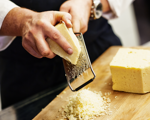
Some aged hard cheeses may contain less lactose due to the cheese-making process, though this can vary by variety and aging time. When it comes to milk, cream, yogurt, butter, and softer cheeses, lactose content is typically higher, making these the categories where lactose-free alternatives can be most helpful.
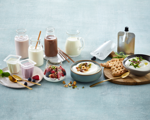
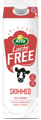
Regular cow’s milk is limited to just 50ml on a low FODMAP diet, which isn’t practical for most people. However, lactose-free milk is usually suitable in a generous serving. Arla LactoFREE milks are FODMAP Friendly certified at 200ml, and no FODMAPs were detected during testing, meaning they won't contribute to stacking.
Arla LactoFREE 1L whole milk, Arla LactoFREE 1L semi-skimmed, and Arla LactoFREE 1L skimmed milk are FODMAP Friendly certified, giving you all the taste of regular milk, with none of the lactose. Learn more about low FODMAP milk.


Low FODMAP dairy
- Lactose-free milk (250ml)
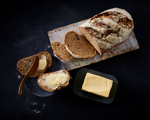
- Butter
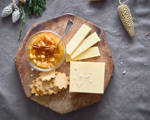
- Cheddar cheese
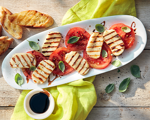
- Brie
- Camembert
- Feta
- Gruyere
- Mozzarella
- Parmesan
Find FODMAP Friendly certified Arla LactoFREE milk online or in stores.

Low FODMAP grains
While wheat is high FODMAP (due to fructans, not gluten), there are plenty of grain options available that are FODMAP Friendly. For bread, gluten-free varieties are typically the most suitable options, though it’s still important to check the label carefully for any added high FODMAP ingredients.
It’s also worth remembering that gluten-free doesn’t automatically mean low FODMAP. Many gluten-free products use chickpea flour, lentil flour, or add inulin as fibre, all of which are high FODMAP ingredients.
Low FODMAP grains include:
- Oats
- Rice
- Quinoa
- Polenta
- Buckwheat
- Millet
- Oat bran
- Gluten-free bread
- Gluten-free pasta Most low FODMAP grains are suitable at around ½ cup cooked per serving.
Low FODMAP pantry essentials
Having your cupboards well-stocked with FODMAP Friendly everyday essentials makes low FODMAP cooking much easier. Knowing you can reach for seasonings, oils, and condiments without checking labels every time means more enjoyable, stress-free cooking.
Low FODMAP nuts, seeds and oils
Most cooking oils are suitable on a low FODMAP diet, including olive oil, vegetable oil, sunflower oil, coconut oil, rapeseed oil, and sesame oil. Flavour-infused oils, such as garlic-infused oils, are also usually low FODMAP because FODMAPs are water-soluble, not fat-soluble. When garlic is infused into oil, the flavour transfers, but the FODMAPs don’t.
FODMAP Friendly nuts, seeds and oils include:
- Olive oil
- Vegetable oil
- Rapeseed oil
- Sunflower oil
- Coconut oil
- Sesame oil
- Garlic-infused oil
- Peanuts
- Brazil nuts
- Macadamia nuts
- Pecans
- Sunflower seeds
- Pumpkin seeds
- Poppy seeds
- Chia seeds Most nuts and seeds are suitable at around a small handful (roughly 30g) per serving, though portion sizes can vary between varieties.
Low FODMAP herbs and spices
Almost all herbs and spices are naturally low FODMAP in typical culinary amounts. It’s worth noting, though, that garlic powder, onion powder, and onion salt are concentrated and best limited.
Low FODMAP herbs and spices include:
- Basil
- Bay leaves
- Black pepper
- Cinnamon
- Clove
- Coriander
- Cumin
- Ginger
- Mint
- Nutmeg
- Oregano
- Paprika
- Parsley
- Rosemary
- Sage
- Tarragon
- Thyme
- Turmeric
Low FODMAP condiments and sauces
Condiments and sauces can be trickier as different brands use different ingredients. The main things to watch for are onion and garlic in powdered, puree, extract or flavouring form.
Common condiments and sauces:
- Mayonnaise – Most popular brands are usually suitable in small amounts. Look for versions without added garlic.
- Tomato ketchup - Usually fine in smaller amounts (up to a couple of tablespoons).
- BBQ sauce - Similar to ketchup, check the ingredients and enjoy in smaller portions.
- Hot sauce - Many varieties simply use chilli peppers with vinegar and oils. Just check the ingredients for anything high FODMAP, such as garlic or onions.
- Soy sauce - Usually low FODMAP in smaller portions (a couple of tablespoons).
Low FODMAP shopping tips for success
To make your low FODMAP shopping as straightforward as possible, here are some practical tips:
- Shop for fresh, whole foods - Focus on fresh produce and unprocessed items wherever possible. This makes it easier to avoid checking lengthy ingredient lists and gives you more control over what you're eating.
- Download the FODMAP Friendly app - Make use of the FODMAP Friendly App for all sorts of useful advice and information, as well as lists of low FODMAP foods, certified products, and recipe ideas, all in one place.
- Keep a “go-to foods” list - Build a list on your phone of your go-to FODMAP Friendly products and foods as you discover them, including safe portion sizes. This becomes your personal low FODMAP shopping list.
- Find brands you trust – Once you’ve found brands that consistently work for you, they become reliable staples you can reach for without second-guessing.
- Batch-cook low FODMAP meals - Prepare multiple portions when you cook so you've always got something ready in the fridge or freezer. This takes the pressure off daily meal planning
- Always check FODMAP Friendly portion sizes and ingredients lists – Even for familiar products, as recipes can change. Portion sizes are particularly important for keeping foods in the low FODMAP range.
The thing to remember is that it gets easier as you get used to it. The first few shopping trips will likely take longer, but once you know which foods and products work for you, it quickly becomes routine.
FAQs about low FODMAP foods
Some of the main high FODMAP foods include garlic and onion (both fresh and in powdered form), wheat-based bread and pasta, regular cow’s milk, and fruits including apples, pears, mangoes, and watermelon. Honey, cashews, pistachios, mushrooms, cauliflower, and pulses like chickpeas and kidney beans are also high FODMAP foods.
Always check the labels on processed foods for high FODMAP ingredients like onion, garlic, or sweeteners, as these are quite common.
Yes, eggs are naturally FODMAP-free and suitable in any quantity or preparation method, including scrambled, poached, fried, boiled, or as omelettes. The only consideration is what you cook them with or serve alongside. Use butter or lactose-free milk instead of regular milk and be mindful of accompaniments like baked beans (high FODMAP) or sauces containing garlic or onion.
Traditional wheat bread is high FODMAP due to the level of fructans, making it unsuitable for a low FODMAP diet. Gluten-free bread can be a good alternative, though check for high FODMAP ingredients like honey, apple, or inulin.
Traditional 100% spelt sourdough that has been slow fermented for 12+ hours can also be an option, as the long fermentation process breaks down the fructans. However, it must be genuine sourdough, not quick-rise bread labelled as sourdough. Oat bread and rice bread are also suitable alternatives.
While very few foods are technically “zero” FODMAP, many contain such negligible amounts that they’re effectively FODMAP-free. These include all plain, unprocessed meats, poultry, fish, eggs, hard cheeses like cheddar, brie, and parmesan, cooking oils, most herbs and spices, rice, and plain tofu.
The goal isn’t to eat zero FODMAPs; it’s to stay within tolerable thresholds that work for your digestive system.
Everyone has different FODMAP triggers, but some of the most commonly limited foods include those containing fructans (found in garlic, onion, and wheat) and lactose (in regular milk and soft dairy). This is why lactose-free milk can be a simple swap for many people.
The reintroduction phase of the low FODMAP diet helps identify your personal triggers, which could be one of these common ones or something different.
Here are some common pitfalls to try and avoid:
- Assuming gluten-free means low FODMAP - Many gluten-free products contain high FODMAP ingredients like chickpea flour, inulin, or honey.
- Forgetting about FODMAP stacking - Eating multiple low to moderate FODMAP foods in one meal can push you into high FODMAP territory.
- Not checking labels on processed foods – Sauces, stock cubes, and processed foods often contain hidden onion or garlic powder.
- Staying in the elimination phase too long – Most people should move to reintroduction within a few weeks with guidance from a dietitian.
- Cutting out entire food groups unnecessarily - Such as all dairy, when lactose-free dairy options are available.
Wondering where to start with low FODMAP? Take a look at our beginner’s guide to the low FODMAP diet.
This information is for general guidance only and isn't a substitute for professional advice. If you're considering the low FODMAP diet, working with a registered dietitian can be helpful. If you have ongoing digestive concerns, it's worth speaking to your GP.