Strawberries are small, red fruits that delight with their sweet flavour and fragrant smell, and are among the most popular fruits in the world. Despite their name, they are not true berries in the botanical sense, but this has done little to dampen their appeal. They are in season from late spring through summer and are best when eaten fresh and fully ripe.
On this page, you will find a thorough guide to everything strawberry. We start with what they are, their nutritional value and season, before moving on to practical advice on picking, growing, and harvesting them at home. Finally, we cover how to store them properly and share plenty of ideas for what to make with strawberries. So, are you ready to go all in on strawberries?
What are strawberries?
Strawberries are fruits from the genus Fragaria that are not true berries but swollen flower bases covered with tiny seeds on the outside, called achenes. The red fleshy part we eat is the swollen base of the flower, while the specks on the surface are the actual fruits. This makes strawberries different from true berries, such as blueberries, which grow from a single ovary.
The strawberry family includes over 20 species, many of them wild and edible. Wild strawberries have grown across the Northern Hemisphere for thousands of years, but the large-fruited garden strawberry we know today was bred in 18th-century France from two American species. Modern garden strawberries are complex hybrids, and most spread through runners (horizontal stems that take root and form new plants), though alpine types grow from seed instead.
The anatomy of a strawberry plant
Strawberry plants are low-growing, typically reaching 20-30 cm in height, with a shallow root system and a central crown at ground level. The crown is the hub of the plant, which is where the roots anchor downward, and the leaves and flower stems grow upward. The leaves grow outward from the crown in a circular pattern, each made up of three toothed leaflets on a single stem.
The flowers have both male and female pistils, arranged around a yellow centre that eventually develops into the fruit. Strawberry flowers are self-fertile, meaning they can pollinate themselves without outside help. Still, bee pollination tends to produce noticeably larger fruits because it ensures all parts of the flower are fully pollinated.

3 main types of strawberries
Strawberries come in three main types based on when they flower and fruit.
Summer-fruiting strawberries (June bearers): Produce one large crop over 2-3 weeks in early to midsummer. They form their flower buds during autumn, hold them through winter, and fruit the following spring. This makes them the most predictable of the three types, and they tend to produce the largest, sweetest berries as well as plenty of runners.
Perpetual/everbearing strawberries: Produce two smaller crops — one in late spring and another in late summer or early autumn. Their berries are smaller than summer-fruiting varieties, and they produce fewer runners.
Alpine strawberries: Flower continuously throughout summer and into autumn, producing small berries in steady flushes rather than a single large crop. They grow tiny berries, stay compact, and produce no runners.

Nutritional facts
Here is a nutritional facts table for strawberries. It presents the nutritional values per 100 g of strawberries, corresponding to about 6-7 medium berries:
| Nutrient | Content per 100 g |
|---|---|
| Energy | 162 kj |
| Calories | 38 kcal |
| Water | 90g |
| Carbohydrates | 6.9g |
| of which sugars | 6.1g |
| Fibre | 1.5g |
| Protein | 0.7g |
| Fat | 0.6g |
| Vitamin C | 66.9 mg (74% of the DV*) |
| Folate (B9) | 117 µg (29 % of the DV*) |
| Potassium | 179 mg (4 % of the DV*) |
| Manganese | 0.342 mg (15 % of the DV*) |
*DV = daily value based on a 2,000-calorie diet.
When are strawberries in season?
In most of the Northern Hemisphere, strawberries are at their best between late spring and midsummer, typically from May to July, depending on the climate. Warmer regions see the season start earlier, while cooler areas may not peak until June or July. In the Southern Hemisphere, the season runs from November to January.
The type of strawberry also affects timing. Summer-fruiting varieties produce a single concentrated crop over two to three weeks, while everbearing types spread their harvest across two flushes — one in late spring and another in late summer or early autumn. Alpine strawberries fruit more continuously, producing small amounts from summer through to the first frosts.
Make a delicious

with in season strawberries.
How to pick the best strawberries
The same basic rules apply whether you pick strawberries yourself or buy them at a market. Here is what you should look out for:
Colour: Look for berries that are fully red all the way to the tip. White or green shoulders near the stem indicate the fruit was picked too early, and it will not sweeten further after harvest.
Texture: The berries should feel firm but not hard. Avoid anything mushy or leaking juice.
Hull: The green hull should look fresh and bright rather than dry or wilted.
Smell: A ripe strawberry has a strong, sweet scent. If there is no smell, there is unlikely to be much flavour either.
Size: Not a reliable indicator of quality. But smaller strawberries often have a more concentrated flavour than large ones, particularly with summer-fruiting varieties.
How are strawberries grown – tips for doing it at home
You can easily grow strawberries at home in a garden bed or just a pot on a balcony. They do best in a sunny spot with well-draining soil and reliable watering. Strawberry plants stay productive for 3-4 years before needing replacement.
Choose a sunny spot with well-draining soil. Strawberries do not do well in waterlogged conditions.
Plant in spring or autumn. Planting in August or September gives the plants time to establish a strong root system before winter, leading to a better harvest the following year.
Water regularly, especially during dry spells. Strawberry plants are sensitive to drying out.
Keep the bed tidy by removing weeds and dead leaves, and consider laying straw under the berries to prevent rot.
No garden? No problem. Strawberries grow well in containers and pots too, just choose a variety suited to pot growing.
How do you harvest strawberries at peak ripeness?
Strawberries are ready to pick when they are fully red all the way to the tip, with no white or green patches near the stem. Give the berry a gentle squeeze – it should yield slightly but not feel soft or mushy, and the green hull should look fresh and bright.
Pick in the morning once the dew has dried, and pinch or clip the stem rather than pulling the berry directly, leaving a short stem attached. Strawberries reach peak ripeness about four weeks after blossoms appear and do not ripen after picking, so only harvest fully ripe berries. Since they bruise easily, make sure you handle them carefully when harvesting.
How long do strawberries last?
Fresh strawberries are at their best the day they are picked, but will keep for 2-3 days at room temperature and up to a week in the fridge. Store-bought strawberries have often been in transit for a few days already, so expect them to last 3-5 days in the fridge rather than a full week. Washed berries deteriorate faster, so it is best to rinse them just before eating. If you have more than you can use, strawberries freeze well and will keep for up to a year without losing much of their flavour. For more details on cleaning and freezing strawberries, see our articles on how to clean strawberries.
How to store strawberries
Strawberries are delicate but keep fairly well if stored correctly. The most important rule is to keep them dry. Moisture speeds up mould growth and softening, so avoid washing them until you are ready to eat them. Store them in the fridge in a single layer, if possible, as stacking puts pressure on the berries at the bottom and can cause bruising.
If you have bought a punnet from the shop, take the strawberries out of the plastic packaging and transfer them to a container lined with a paper towel to absorb any excess moisture. Remove any damaged or overripe berries straight away, as one bad berry can quickly spoil the rest.
For a full guide to storing strawberries, see our article on how to store strawberries.
Delicious things to make with strawberries
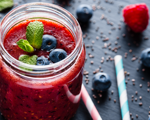
Strawberries are one of the most versatile fruits in the kitchen, and they always reward a little creativity. Blend them into a strawberry smoothie, stir them into a

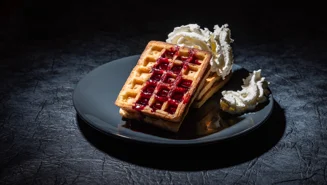
or let them shine in a classic strawberry tart or a tasty

If you find yourself with more than you can eat, make a jar of strawberry jam. It is one of the best ways to hold on to the flavour of the season.
Try them with other fruits too. A strawberry watermelon salad is a refreshing summer side that comes together in minutes, and if you have not made strawberries and cream during the summer, there is no better time. This combination never goes out of style, whether you are watching Wimbledon or simply enjoying the sunny weather.
If you still need more inspiration, browse our full collection of strawberry recipes.