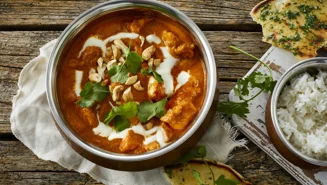
Paneer is a fresh, non-melting cheese made by curdling hot milk with an acidic ingredient such as vinegar or lemon juice. The curds are then pressed into a firm block. It is very common in South Asian cuisines like Indian, Pakistani, and Bangladeshi cooking. Because it has a mild taste and creamy texture, it is perfect for soaking up bold flavours whilst keeping its own distinct, creamy bite.
Here we will walk through everything you need to know about paneer. From what it is made of and how it tastes, to making it at home, storing it properly, and preparing it in different ways, we cover all the essentials.

What does paneer taste like?
Paneer has a delicate, milky flavour, similar to fresh cheeses like ricotta, young mozzarella, or a very mild cottage cheese. It is neither salty nor tangy on its own, which is exactly why it is great for cooking. Paneer works like a sponge for spices, sauces, and marinades, taking on whatever flavours you pair it with. That is what makes it such a versatile ingredient across so many dishes.
What is paneer made of?
Paneer is made from cow’s milk and an acidic ingredient such as lemon juice, vinegar, or yoghurt. When that acid is added to the hot milk, the milk naturally splits into soft, fluffy curds and a liquid whey. The curds are then collected, drained, and pressed into a solid block. The real secret is in the pressure; the more it is applied, the firmer and sturdier the block becomes, which gives the cheese its famous ability to hold its shape when cooked.
How to make paneer at home?
Homemade paneer is quite different from most store-bought versions. When made fresh, it is noticeably softer and more delicate in texture. You also have full control over how firm it becomes when pressing it into a firm block.
Making paneer at home is surprisingly simple and only requires a few basic ingredients and tools. To get you started, here is a quick step-by-step guide showing you how to turn a simple pot of milk into a fresh block of paneer in your own kitchen.
1. Boil: Heat full-fat milk in a large pot until it reaches a rolling boil.
2. Curdle: Add an acidic agent, such as lemon juice, yoghurt, or white vinegar, one tablespoon at a time whilst stirring gently. The milk will begin to separate into solid curds and liquid yellowish whey.
3. Strain: Pour the mixture through a colander lined with a fine muslin cloth.
4. Press: Rinse the curds under cold water to remove any residual acidity, wrap them tightly in the cloth, and place a heavy weight (like a cast-iron pan or a stack of books) on top.
5. Set: Let it press for 30–60 minutes, depending on how firm you want the final block to be.
For a more detailed walk-through, including tips on texture and pressing, see our full recipe for making paneer at home.
What is paneer used for?
Paneer is a true kitchen chameleon, used in everything from hearty main courses to quick, savoury street food snacks. You will most often see it in classic, velvety curries like matar paneer or paneer korma.
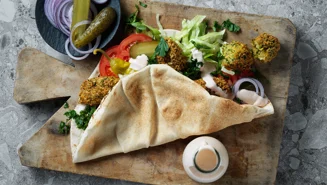
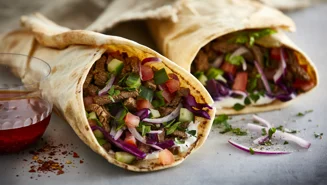
But paneer is not limited to sauces. It is also used as a filling for

and wraps, and in stir-fried dishes like paneer jalfrezi with peppers and onions. It has even become a favourite in fusion cooking, such as chilli paneer, where it is tossed in a tangy, Indo-Chinese sauce.

As you can see, it is used in a wide range of traditional dishes, each using it in a slightly different way. However, that versatility also leaves plenty of room for experimentation beyond the classics.
Different ways to prepare paneer
There are many ways to prepare paneer, and the method you choose can change how the cheese behaves. Below, we will take a look at some of the most common ways to prepare it, from quick pan-frying to slower cooking in sauces.
How to fry paneer
To fry paneer, cut it into cubes or slices around 2–3 centimetres thick. Heat a shallow layer of oil or butter in a pan over medium heat, then add the cheese in a single layer. Fry for around 2–3 minutes per side, turning carefully until all sides are lightly golden. Remove from the pan once coloured, as overcooking can make the texture firmer than intended.
The best way to grill paneer
When grilling paneer, larger pieces work best, as they are less likely to dry out. Lightly brush the paneer with oil and place it on a hot grill set to high heat, around 220 °C. Grill for 6–8 minutes in total, turning once or twice, until the surface picks up light char marks and the centre is warmed through. Keeping the heat high and the cooking time short helps the paneer stay soft on the inside.
How to cook paneer in an air fryer
The air fryer works best with evenly sized pieces of paneer that have been lightly coated. Toss them with a little oil or marinade, then cook at 180 °C for 8–12 minutes, giving the basket a shake halfway through so everything cooks evenly. Aim for a lightly crisp outside with a soft, tender centre.
How to marinate paneer
Marinating works best after the paneer has been cut into pieces. Coat them evenly in a yoghurt- or oil-based marinade, then let them rest for at least 20 minutes, or up to a few hours in the fridge. Once marinated, handle the cheese with care, especially before grilling or frying, as it softens slightly while it sits.
Cooking paneer in curry
When adding paneer to a curry, it is best to do so towards the end of the cooking. Gently stir the cubes into the sauce and let them simmer for 5–7 minutes, just long enough to warm through and absorb some of the flavour.
Some recipes suggest frying the paneer first to give it a firmer surface, but it can also be added straight to the curry if you prefer a softer texture. Just remember not to overcook it, as longer simmering can make the paneer firmer and less tender.

How long does it take to cook paneer?
Paneer cooks quickly and usually only needs a few minutes, depending on the method used. Because it heats through fast, cooking paneer is often more about watching the surface than the clock. That said, a rough time guide is still helpful, especially if you are new to cooking with the cheese. The table below gives an overview of typical cooking times and temperatures.
| Method | Temperature | Cooking time | Result |
|---|---|---|---|
| Pan frying | Medium-high | 2-3 minutes per side | Golden crust, soft centre |
| Air frying | 180 °C | 8–12 minutes | Crispy, firm texture |
| Grilling | High | 6–8 minutes total | Smoky, charred exterior |
| Simmering | Low heat | 5–7 minutes | Soft and delicate |
How to store paneer
Paneer is best used fresh, but with the right storage, it will keep its texture for a short while. How long it lasts depends on whether it is shop-bought or homemade, and whether you store it in the fridge or freezer.
Storing paneer in the fridge
Store paneer in the fridge in an airtight container to prevent it from drying out or picking up other flavours. For short-term storage, place the paneer in a container and cover it with cold water so it stays fully submerged. Change the water once a day to keep it fresh.
Shop-bought paneer will usually keep for 3–4 days once opened. Homemade paneer is more delicate and is best used within 2–3 days, even when refrigerated. Before cooking, take the cheese out of the water and gently pat it dry.
Can you freeze paneer?
Yes, you can freeze paneer if you need to store it for longer, but it will become slightly firmer and more crumbly once thawed. Cut the cheese into cubes or portions before freezing, then wrap it tightly or place it in a freezer-safe airtight container. When properly stored, it will keep in the freezer for up to 2 months.
To thaw frozen paneer, transfer it to the fridge and let it defrost slowly overnight. Once thawed, soak it briefly in warm water for 10–15 minutes to help soften the texture before cooking. It is best not to refreeze it, as this will make it increasingly crumbly.
Discover more about paneer
By now, paneer should feel much more familiar. You know how to make it, how to cook it, and what kind of results to expect. The next step is trying it out for yourself, and our paneer recipes are a good place to start if you are looking for new favourites to work into your weekly cooking.
If you are curious how paneer stacks up against other cheeses, we also break down the differences and similarities between tofu, cottage cheese, and halloumi, including how their textures and cooking methods compare.