If you have ever stood in the supermarket trying to decide between paneer and tofu, you are not alone. Both come in firm, white blocks and hold their shape in hot pans and sauces, but they are rooted in separate parts of Asian cooking and behave quite differently once you start cooking with them.
We have put paneer and tofu side by side to show you exactly how they differ, where they originate, and how they cook. By the end, you will know exactly which one to grab for your next meal.
What is paneer?
Paneer is a fresh cheese widely used in South Asian cuisine, particularly Indian cooking. It is made by heating milk and curdling it with an acidic ingredient. Once the milk separates, the curds are drained and pressed into a firm block.
Because paneer is not aged and does not use rennet, it has a clean, milky flavour and a dense texture. It also does not melt when heated, which is one of its defining qualities and the reason it works so well in slow-simmered dishes.

What is tofu?
Tofu, also known as bean curd, is a plant-based protein made from soybeans and has been a staple in East Asian cooking for centuries. It has a milk flavour and a soft-to-firm texture that changes depending on how it is made and pressed.
Tofu is made by soaking and blending soybeans, then cooking and straining them to produce soy milk. A coagulant is added to curdle the milk, and the curds are then pressed into blocks.
Unlike paneer, tofu is available in various textures, ranging from silken to extra firm. This makes it very adaptable and flexible in the kitchen, as different types work better for blending, frying, or simmering.

The difference between paneer and tofu
Paneer and tofu are often compared because they look similar and play a similar role in cooking. Both come in firm blocks, both can be cubed or sliced, and both work well in hot dishes. But beyond appearances, they behave quite differently in the kitchen, especially when it comes to texture and flavour.
Ingredients: dairy vs soy
At the most basic level, the difference comes down to what they are made from.
Paneer is a dairy product made from milk, while tofu is made from soybeans. This difference explains a lot about how each one cooks and tastes. Paneer keeps its structure when heated and has a naturally milky flavour, while tofu starts out more neutral and responds more strongly to whatever it is cooked with.
Texture: firm vs porous
While both are firm enough to be cubed or sliced, the eating experience is noticeably distinctive. Paneer has a firm, slightly crumbly texture and tends to hold its shape during cooking. Rather than absorbing lots of flavour. From the surrounding sauce, it stays intact, with flavour clinging to the outside of the cheese.
In comparison, tofu is softer and more porous. Its structure allows it to soak up marinades and sauces more deeply than paneer, which is why it is often described as sponge-like. The texture also varies depending on the type used. Firm and extra-firm tofu can be sliced and fried, yet they still absorb marinades and sauces easily. Soft and silken tofu is more delicate, closer to a set custard and great for smoother dishes.
Taste: mild vs neutral
Paneer has a milky and slightly salty flavour, similar to a very mild cottage cheese. Tofu, on the other hand, has very little flavour of its own. This is what makes it so adaptable, as it easily takes on the taste of sauces, spices, and aromatics during cooking.
Cooking with paneer and tofu
One of the most noticeable differences between paneer and tofu is how they react to heat and liquids in the kitchen. In the following section, we will look at which cooking methods suit each one best and why.
Cooking with paneer
Paneer’s most famous trait is that it does not melt. This makes it perfect for:
Frying: You can pan-fry paneer cubes until they are golden-brown and crispy on the outside while remaining soft in the middle.
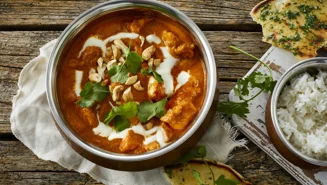
Simmering: In dishes like paneer korma or shahi paneer, the cheese holds its shape even after long periods of simmering in hot sauces.

Grilling: High heat gives it a wonderful, charred flavour without it dripping through the grates of a barbecue.
Baking and roasting: The cheese is frequently baked or roasted, either on its own or in dishes like tandoori paneer, where it is cooked at high heat in an oven rather than over open flames.
Stuffing: Grated or crumbled paneer is commonly used as a filling for breads and pastries, such as parathas, where it behaves more like a soft cheese.
Cooking with tofu
Tofu is arguably the more versatile of the two, and its strength lies in its range of textures, with each type lending itself to different cooking methods.
Firm and extra-firm tofu is best suited for:
Frying and stir-frying: Once pressed to remove excess water, tofu browns evenly and develops a crisp exterior.
Grilling: Thick slices or skewered pieces hold together well over high heat.
Marinating: Its porous structure allows it to absorb marinades deeply, especially after pressing.
Scrambling: When crumbled and seasoned, firm tofu takes on a texture similar to scrambled eggs, making it a popular choice for tofu scramble and breakfast-style dishes.
Silken tofu is much softer and is better suited for delicate dishes or prepared over low heat:
Blending: When blended, it creates a smooth, creamy texture in sauces, soups, desserts, and smoothies.
Chilled or lightly set dishes: Silken tofu is often served cold or gently warmed, where its custard-like texture can shine.
FAQ: Questions about paneer and tofu
Still have questions about paneer and tofu? Below, we answer some of the most common ones.
No, paneer and tofu are not the same. Paneer is a fresh cheese made from milk, while tofu is made from soybeans. Although they can look similar, they differ in texture, flavour, and how they behave when cooked.
No, tofu does not taste like paneer. Paneer has a milky flavour, whereas tofu is much more neutral in taste. Any similarity usually comes from the way they are seasoned and cooked rather than their natural taste.
Yes, tofu can be used as a substitute for paneer in some recipes, particularly if you choose firm or extra-firm tofu. However, the result will not be identical. Tofu absorbs more flavour and has a softer texture, so the final result and mouthfeel will differ from a dish made with paneer.
The choice between paneer and tofu depends on what you are making. Paneer works best in recipes where you want firm pieces that hold their shape, for instance, in sauces. Tofu is a better option when you want something that absorbs flavour and adapts easily to a range of cooking methods.
By now, you should have a good sense of what sets paneer and tofu apart and how you can use them in the kitchen. If paneer has sparked your curiosity, there are a few more articles worth exploring, including comparisons with paneer vs halloumi and paneer vs cottage cheese.
If you would like to dig a little deeper, we go into more detail about what paneer is, how you can make it at home, and much more. And if you are ready to start cooking, you can also browse our collection of paneer recipes for plenty of ideas to try at home.