For many people, weekly meal prep is a practical way to free up time during the week without compromising on what they eat. One or two focused cooking sessions each week and suddenly breakfast, lunch and dinner are taken care of before the week even begins.
If you’ve been thinking about giving it a go, here’s everything you need to get started.
How to meal prep for the week
As we covered in our beginner’s guide to meal prep and batch cooking, the process comes down to three steps: plan, cook, portion. Map your week first: how many meals are you actually eating at home, and for how many people. From there, you can create a detailed shopping list.
Set aside a few hours to cook and portion. Sunday meal prep is the most popular choice, but any day works as long as it falls shortly after you have shopped, when ingredients are at their freshest.

Here are a few extra tips to make that weekly meal prep session count:
Start with your calendar, not your recipes. Two dinners out and lunches at work could mean you’re prepping 12-15 meals, not 21. Knowing this upfront helps prevent overcooking.
Pick three or four recipes maximum. Keep it simple – don’t try to make too many different meals. Stick to one or two dinners, one breakfast, and one lunch with small variations if needed.
Look for overlap. The real efficiency of meal prep for the week comes from ingredients that do double duty. If two recipes share a base ingredient – roasted vegetables, a batch of grains, or a seasoned protein – prep it once and split it between them.
A sample week of make-ahead meals for breakfast, lunch and dinner
Having a rotation of meal prep recipes for the week that delivers variety without the daily hustle sounds great in theory. But what does a week of make-ahead meals look like in practice?
Here’s how five simple recipes can set up an entire week of breakfasts, lunches and dinners.
| Day | Breakfast | Lunch | Dinner |
|---|---|---|---|
| Monday | Cottage cheese bagels | Mason jar salad | Chicken and rice bake |
| Tuesday | Protein breakfast bagel | Mason jar salad | Chicken burrito bowl |
| Wednesday | Cottage cheese bagels | Mason jar salad | Chicken and rice bake |
| Thursday | Protein breakfast bagel | Mason jar salad | Chicken burrito bowl |
| Friday | Cottage cheese bagels | Mason jar salad | Chicken and rice bake |
| Saturday | Protein breakfast bagel | Mason jar salad | Chicken burrito bowl |
| Sunday | Whatever is left – or a day off to start meal prepping for the following week |
Breakfast: cottage cheese bagels, two ways

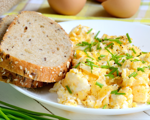
Bake a double batch (or more if needed) of cottage cheese bagels on prep day. Keep half plain – great with a slice of cheese or slathered in peanut butter or almond butter.
Dress the rest up into protein breakfast bagels, layered with a savoury egg bake and topped with melted cheese. Both keep well in the fridge for up to 2 days, freeze the rest and thaw as needed for the days ahead.


Dinner: two recipes, one shopping list

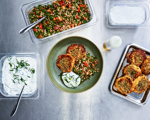
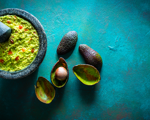
Our chicken and rice bake and chicken burrito bowl share almost their entire shopping list – from chicken breast strips and fajita seasoning to black beans, rice, and avocado-skyr toppings.
Buy and prep everything together, then cook both in the same session. Both keep well in the fridge for up to 3 days; freeze and reheat any portions beyond that.
The fresh toppings, salsas and creams are best prepared on the day – and from day three onwards, make a little extra of each to use in the next day’s mason jar salad for lunch.

Lunch: one jar salad, remixed all week
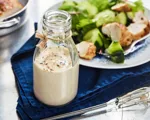
Build this mason jar salad or mediterranean salad for the first three days of the week – follow the layering instructions carefully and store the dressing separately to keep everything fresh.

From day four, either prep a fresh batch of mason jar salads or build your jar using whatever’s left in the fridge.
Tip: use any leftovers from dinner as a base – the fajita chicken, rice or black beans go well with most salad ingredients, and the dressings and toppings would add variety without any extra prep needed.
Snacks and easy add-ons

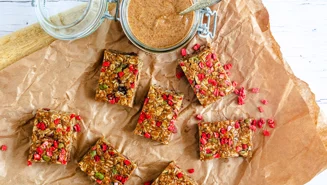
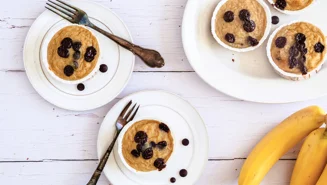
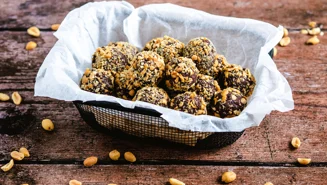
It’s always worth having something to reach for between meals. A batch of cottage cheese scones, banana protein muffins or protein breakfast bars will round out the week nicely – all easy to make ahead and keep on hand for mid-morning or afternoon snacking.
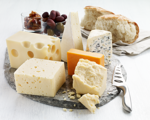
A few slices of cheese also make for a quick, no-prep snack that’s ready to enjoy straight from the fridge.
Freezer meals vs fridge meals: what to know when planning your week

Understanding the difference between freezer meals and fridge meals is one of the most useful shifts in weekly meal prep. Fridge portions are for the meals you'll eat first, while freezer portions can extend the same batch of cooking into the week after.
Balancing the two gives you the flexibility of quick weekday meals alongside longer-term storage – exactly what a busy lifestyle calls for.
Fridge: best for meals you'll eat in the next few days – anything you want to enjoy without a freeze-thaw cycle.
Freezer: best for meals that can easily be defrosted and reheated. Cook a large batch, eat half fresh, and freeze the rest for later.
What freezes well?
Saucy dishes, stews, grain-based meals, cooked mince, bakes with a firm cheese, and portioned soups all freeze well. Many baked pastry dishes like this salmon, leek and dill quiche can also freeze well when wrapped tightly.
What doesn't freeze well?
High-water-content raw vegetables, delicate leaves, crisp toppings, and any recipe that relies on a fresh crunch. For dishes involving these, prep the components separately and freeze only the parts that will hold up.
Weekly meal prep staples: what to always keep stocked
A well-stocked kitchen makes batch cooking far easier and gives you flexibility to swap and improvise. Here are our top staples to always keep on hand:
Pantry staples
Grains and pasta (e.g. rice, quinoa, dried pasta, rolled oats, couscous, and bulgur wheat)
Canned goods (e.g. beans, lentils, chopped tomatoes, and passata)
Flavour bases (e.g. stock, olive oil, red wine vinegar, soy sauce, and honey)
Spices (e.g. cumin, paprika, dried herbs, chilli flakes, turmeric, and garlic or onion powder)
Vegetables that can be stored at room temperature (e.g. potatoes, sweet potatoes, butternut squash, and pumpkin)
Fridge staples
Protein (e.g. eggs, cottage cheese, skyr, and firm cheeses for grating and slicing)
Other dairy (e.g. natural yoghurt, sour cream, and crème fraiche)
Fresh produce (e.g. leafy greens or a salad base, carrots, spring onions, avocado, lemons, and your most-used fresh herbs)
Freezer staples
Any frozen vegetables (e.g. peas, sweetcorn, and edamame)
Protein (e.g. minced beef, chicken, and fish fillets)
Extras (e.g. sliced bread and tortillas, frozen berries for breakfast smoothies, and fresh herbs frozen in ice cube trays)
Keeping weekly meal prep simple, week after week
Most people who give up on weekly meal prep don't quit because they dislike the food. They quit because the routine becomes too much. These small shifts can keep the habit going:
Match your effort to your week. Not every week needs a full prep. On busy weeks, lean on freezer meals from a previous batch and only prep breakfasts. On lighter weeks, do a bigger session that carries into the week after. Consistency doesn't mean identical effort every week.
Keep enough variety so it doesn't become boring. Embrace repetition by rotating two or three "core" recipes you enjoy with something new each week. Even a small change – a different grain or protein, a new sauce – can make a familiar dish feel fresh again. If you need inspiration, we have many more meal-prep recipes ready for you to browse.
Keep track of what's in your freezer. A quick list on the freezer door (or a note on your phone) stops meals from getting lost behind older bags. Rotate what's in there so nothing sits forgotten for months.
Above all, be kind to yourself – perfection isn't the goal, consistency is.